What is VAT and How Does it Work?
Value Added Tax (VAT) is a tax that is paid to HM Revenue & Customs (HMRC) on the sale of goods and services in the UK. As a business owner […]

Experts in UK Company Formation
Experts in UK Company Formation

Value Added Tax (VAT) is a tax that is paid to HM Revenue & Customs (HMRC) on the sale of goods and services in the UK. As a business owner […]

Private limited companies are required by law to provide certain items of financial information each year to Companies House and HMRC. This information includes a company’s full (‘statutory’) annual accounts

Registration with Companies House is just one of several steps involved in forming a new company in the UK. The next important step is to register for company and personal

Although a dormant company can be made active again in the future, it is a big step and one with significant implications. If you are considering making your company dormant

Take a look at any recent payslip and you’ll see some PAYE deductions that have been taken automatically. While everyone who is employed by a business will be subject to
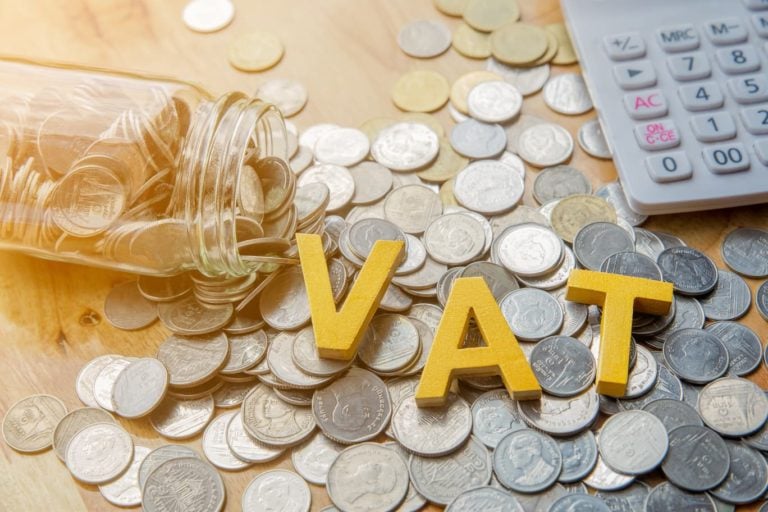
Registering for VAT sounds like a business headache, conjuring up images of complex and unending paperwork. In this article, we will look at all the pros and cons associated with

When you formed your new limited company, you would have received a company’s Unique Tax Reference (UTR) from HMRC. This reference identifies your company for tax purposes. A letter would
Accounting (24) Articles of Association (4) Bank Account (6) Business Address (2) Companies House (33) Company Dissolution (4) Company Formation (46) Company Name (12) Company Secretary (9) Confirmation Statement (4) Directors (19) Employment (2) GDPR (3) HMRC (28) Know Your Client (8) Limited Company (47) Limited Liability Partnership (3) Non-residents (12) Overseas Entities (5) PAYE (8) PSC (4) Registered Office Address (10) Service Address (5) Shares (19) Sole Trader (6) Startup (8) Tax (41) Uniwide Formations (1) UTR (3) VAT (9) Video (1)